Spiritual Tourism in India : Top Destinations
Introduction
Travel is not always about adventure, luxury hotels, or popular sightseeing attractions.
For many people, travelling is also an opportunity to experience peace, connect with cultural traditions, and spend meaningful time with family.
Spiritual tourism has long been an important part of Indian travel. Today, it is also attracting attention as part of the country’s broader tourism development.
An October 2026 ASSOCHAM-CBRE report highlights spiritual travel among the tourism segments contributing to India’s evolving visitor economy.
What Is Spiritual Tourism?
Spiritual tourism involves travelling to destinations associated with religious beliefs, spiritual practices, meditation, cultural traditions, or personal reflection.
It can include pilgrimages to temples, gurdwaras, monasteries, mosques, churches, and other sacred places.
Some travellers visit these destinations for religious reasons, while others are interested in architecture, history, cultural understanding, or peaceful surroundings.
Why Spiritual Tourism Is Growing in India
1. Interest in Meaningful Travel
Many travellers want experiences that offer something beyond conventional sightseeing.
Spiritual destinations provide opportunities for reflection, cultural learning, and participation in long-established traditions.
2. Improved Travel Connectivity
Transport infrastructure and tourism facilities can make established pilgrimage destinations more accessible.
However, accessibility varies significantly by destination and season.
3. Family and Multigenerational Travel
Spiritual journeys often bring together family members of different ages.
For many households, visiting an important religious destination is both a cultural experience and a family tradition.
4. Cultural Discovery
Historic religious sites preserve important aspects of India’s architecture, music, art, and community life.
Even visitors who are not travelling for religious purposes may appreciate these cultural dimensions.
Popular Spiritual Tourism Destinations in India

1. Golden Temple — Punjab
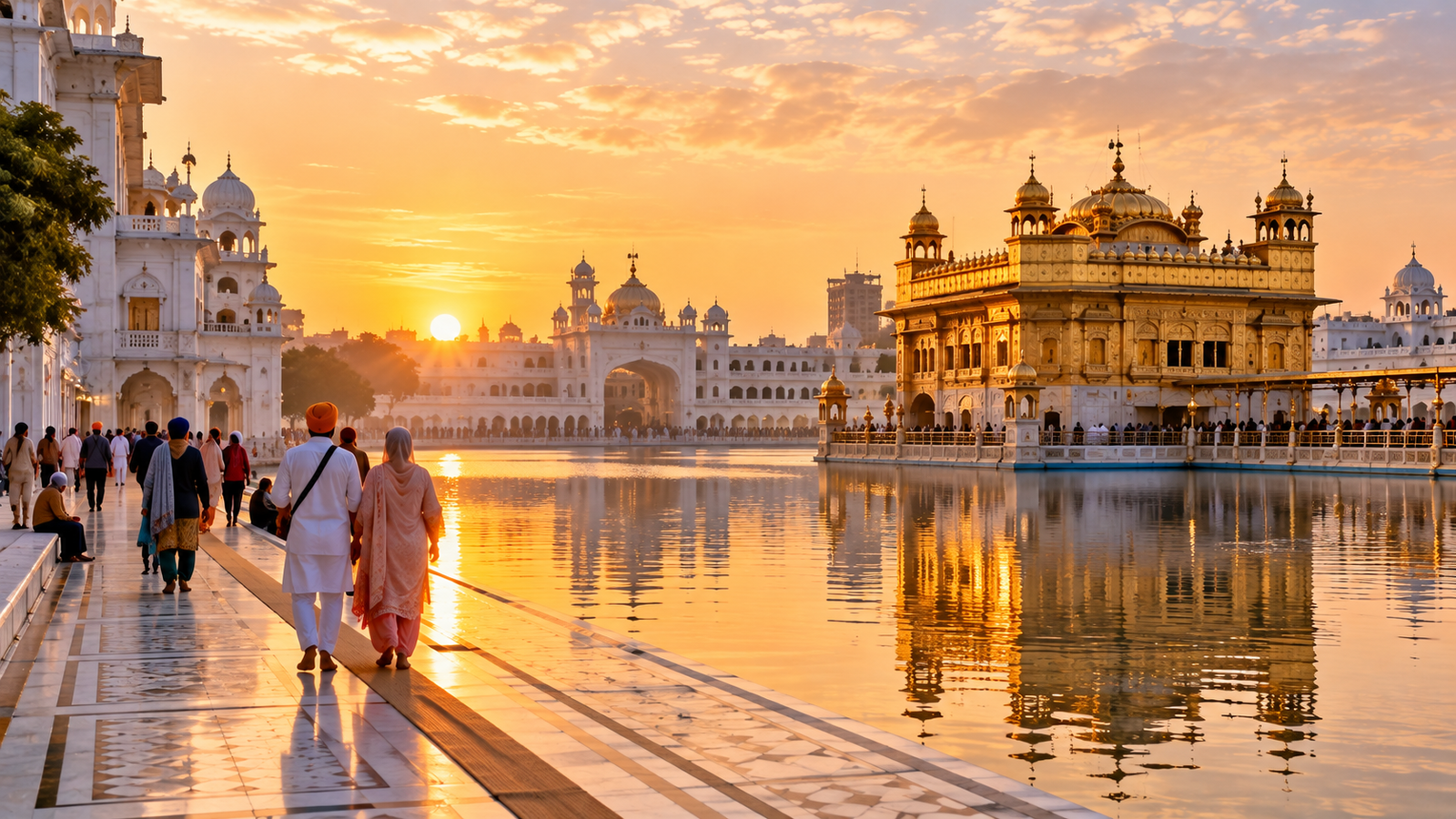
Sri Harmandir Sahib is one of Sikhism’s most sacred sites. Visitors experience the peaceful sarovar, beautiful architecture, and the tradition of community service through langar.
Respectful dress and adherence to gurdwara guidelines are essential.

2. Varanasi — Uttar Pradesh
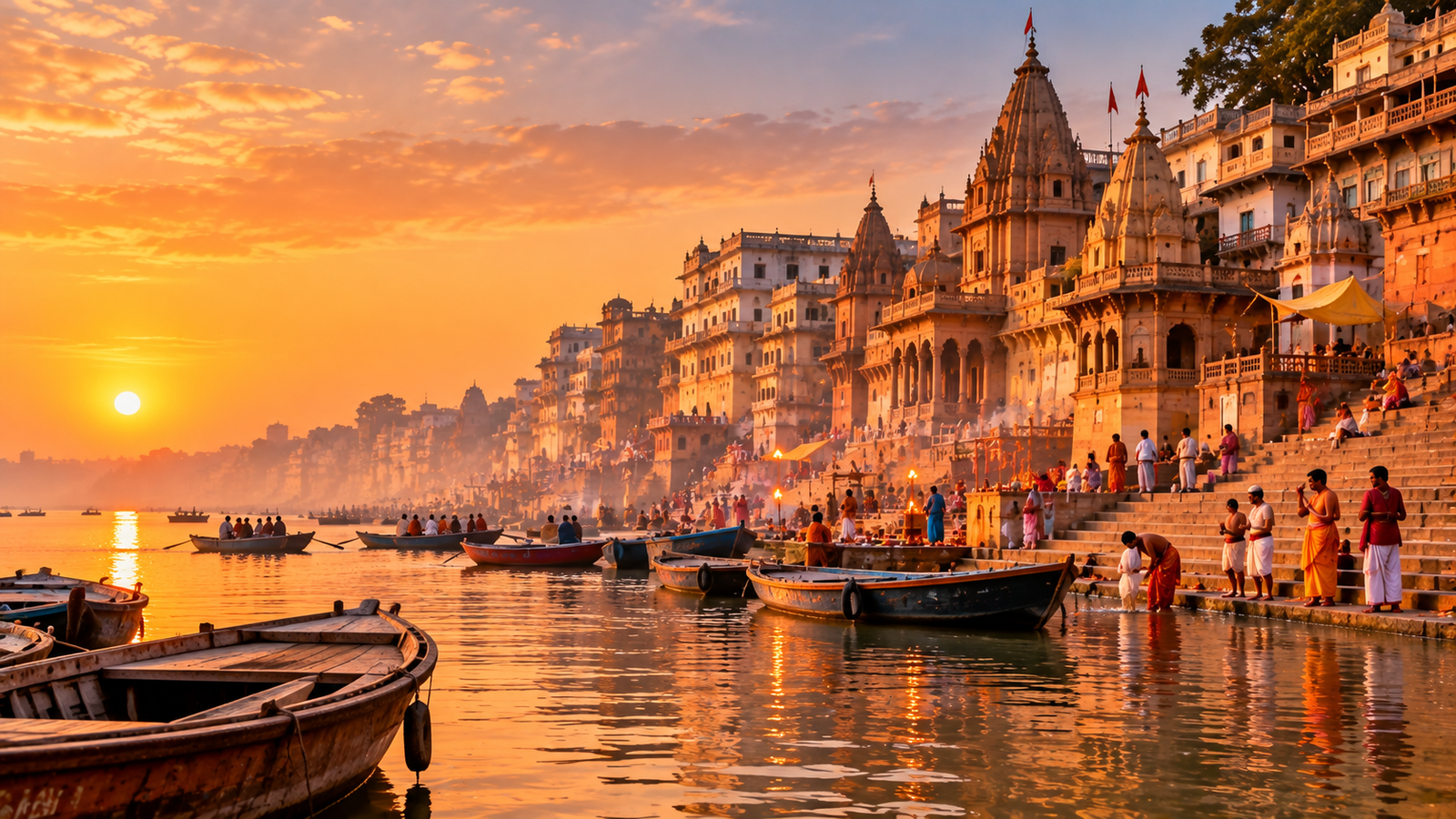
Varanasi is among India’s oldest continuously inhabited cities and is especially important in Hindu traditions.
The ghats, temples, and cultural heritage attract visitors from across India and around the world.

3. Rishikesh — Uttarakhand
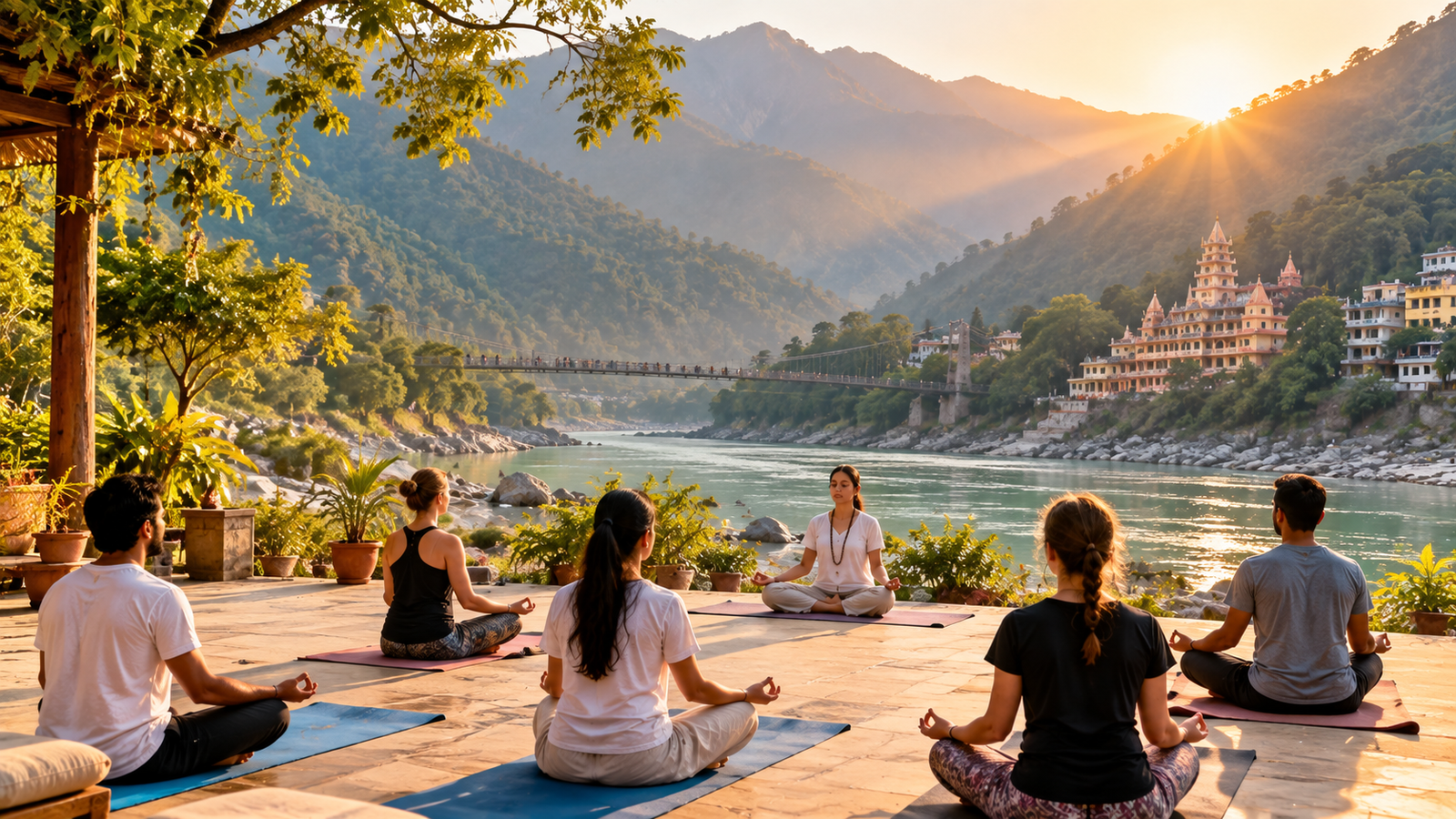
Rishikesh is known for yoga, meditation, ashrams, and its location beside the River Ganga.
It appeals to travellers interested in spiritual learning as well as nature and wellness.

4. Bodh Gaya — Bihar
Bodh Gaya is a major Buddhist pilgrimage destination associated with the enlightenment of Gautama Buddha.
The Mahabodhi Temple complex is internationally recognized for its religious and historical importance.
Spiritual Tourism vs Wellness Tourism
Although the two categories sometimes overlap, they are not identical.
Spiritual Tourism | Wellness Tourism |
|---|---|
Religious or spiritual experiences | Physical and mental well-being |
Pilgrimages and sacred sites | Retreats and wellness programs |
Cultural and faith traditions | Relaxation and healthy routines |
Community rituals and reflection | Yoga, spa, fitness or meditation activities |
A traveller may combine both experiences, such as visiting a sacred destination and attending a meditation retreat.
Tips for Planning a Spiritual Trip
Plan Around Festivals and Crowds
Religious festivals can attract large numbers of visitors.
Check accommodation availability, local schedules, and crowd-management advisories before travelling.
Respect Local Customs
Different sacred places have different requirements for clothing, photography, footwear, and conduct.
Learn about these customs in advance.
Consider Accessibility
Some pilgrimage destinations involve long walks, steps, mountainous terrain, or challenging weather.
Choose accommodation and transport according to the needs of everyone travelling.
Travel Responsibly
Avoid littering, respect the privacy of worshippers, and support local businesses.
Responsible behaviour helps preserve the cultural and environmental value of spiritual destinations.
The Future of Spiritual Tourism in India
Technology may improve how visitors discover destinations, plan routes, and access travel services.
India’s National Digital Tourism Stack, announced in October 2026, is intended to improve the discovery and booking of tourism services through phased implementation beginning in 2027.
Digital improvements could eventually benefit many kinds of tourism, including pilgrimage-related travel, although specific outcomes remain to be seen.
Conclusion
Spiritual tourism reflects India’s rich cultural diversity and long-standing traditions of pilgrimage.
From Amritsar and Varanasi to Rishikesh and Bodh Gaya, these destinations offer opportunities to learn, reflect, and experience meaningful cultural heritage.
As travel preferences evolve , spiritual tourism remains an important part of India’s tourism landscape.