Zero-Click Searches : How to Get Traffic When Google Answers Everything
What Are Zero-Click Searches?
Imagine searching Google for the weather, a definition, or a simple question and finding the answer immediately without opening any website.
This is called a zero-click search.
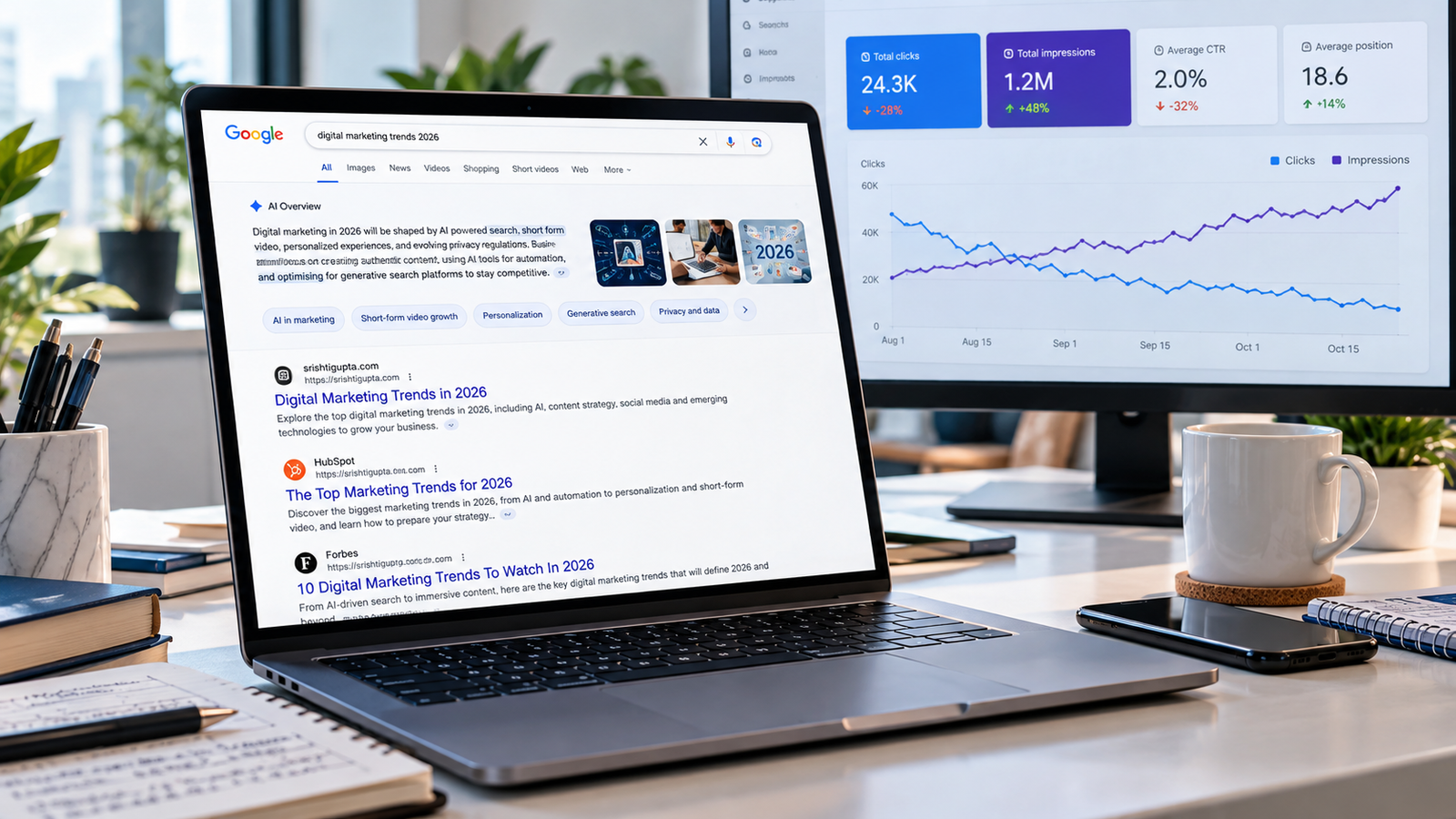
Search engines increasingly display answers directly through featured snippets, knowledge panels, local results, and AI-generated summaries. These features help users find information quickly, but they also change how websites attract visitors.
For bloggers, marketers, and business owners, this raises an important question: how can a website grow when people don’t always click search results?
The solution is to focus on both search visibility and the value users receive when they visit your website.
Why Zero-Click Searches Matter in 2026
Traditional SEO often focuses on ranking positions and organic clicks. However, search visibility now extends beyond conventional website listings.
A user might discover your business through a local listing, learn about your expertise from a search summary, and visit your website later.
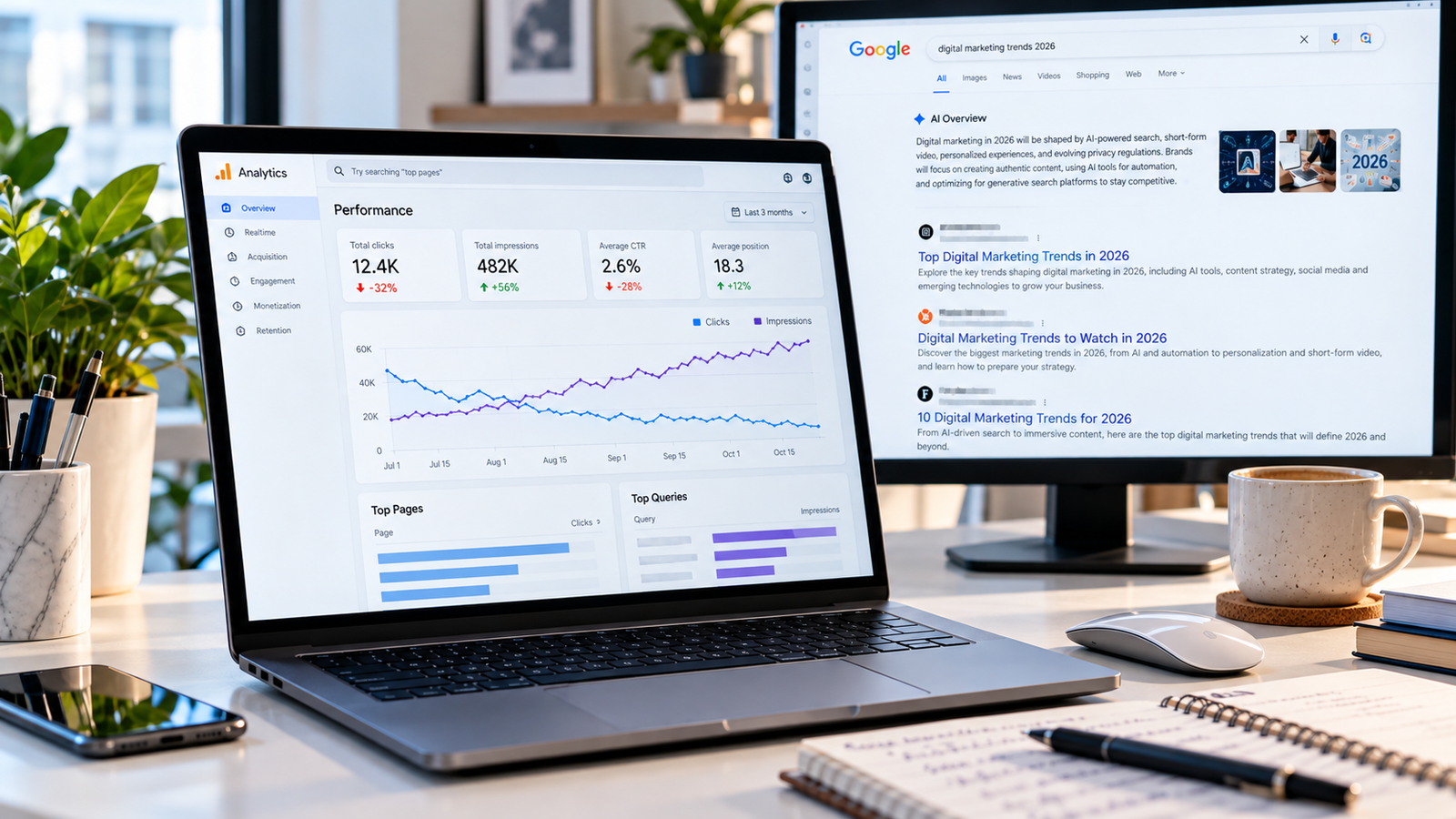
This means that ranking performance and website traffic do not always move in the same direction.
Zero-click searches create three major challenges:
Informational content may receive fewer clicks even when it ranks well.
Websites must offer more depth than a short search-generated answer.
Businesses need to measure visibility, engagement, and conversions alongside traffic.
5 SEO Strategies for Zero-Click Searches
1. Target Keywords That Require Detailed Answers
Not every search can be answered in a few sentences.
For example, someone searching for “What is SEO?” might find a satisfactory definition directly on Google.
However, someone searching for “How to create an SEO strategy for a new business website” probably needs examples, instructions, and a detailed guide.
Focus on keywords that indicate deeper research, comparisons, purchasing decisions, or problem-solving.
2. Write Content That Provides Unique Value
Generic explanations are easy to summarize. Original insights are harder to replace.
Add practical examples, original screenshots, tested methods, comparison tables, and downloadable resources where appropriate.
For example, instead of writing only about keyword research, demonstrate how a small business can organize its keywords into a content calendar.
3. Optimize for Featured Snippets
Featured snippets can help your content gain visibility for informational searches.
Use descriptive headings, short definitions, numbered steps, and tables when they genuinely improve clarity.
For example:
What is a zero-click search?
A zero-click search happens when a user finds the information they need directly on a search results page without visiting another website.
Clear explanations help readers and search engines understand your content.
4. Build Brand Recognition
When users recognize a website or author, they may be more likely to seek out that source directly.
Develop a consistent brand identity through your website, social profiles, author information, and useful content.
For personal websites like Srishti Gupta, consistent expertise in SEO and digital marketing can help readers recognize the author across multiple platforms.
5. Track More Than Organic Clicks
Measure impressions, clicks, click-through rate, engaged sessions, inquiries, and conversions.
A page with strong impressions but weak clicks may need a better title or a more compelling reason to visit.
However, remember that a low click-through rate can have multiple causes, including search intent, ranking position, and SERP features.
Traditional SEO vs Zero-Click SEO
Traditional SEO focus | Additional zero-click SEO focus |
|---|---|
Organic rankings | Visibility across search features |
Website clicks | Brand discovery and qualified visits |
Keyword placement | Clear, useful answers |
Traffic growth | Engagement and conversions |
Blog publishing | Distinctive, authoritative content |
Does Zero-Click Search Mean SEO Is Dying?
No. It means SEO is evolving.
Websites still need crawlable pages, useful information, relevant keywords, and a good user experience.
The difference is that publishers must give readers a compelling reason to move beyond the search results page.
Conclusion
Zero-click searches are changing how people discover online information, but they do not eliminate opportunities for website growth.
Businesses that combine strong technical SEO with original insights, helpful content, and recognizable branding can build a more resilient search strategy.
Successful SEO is not simply about attracting the maximum number of clicks. It is about attracting the right audience and providing enough value to turn visitors into loyal readers or customers.